When I first started caring about what I eat and drink, I honestly thought I was already doing decent. I wasn’t eating burgers every day, I had coffee, some fruits, homemade meals so I just assumed I’m doing okay.
But once I started tracking nutrition, things looked very different. I started using Starbucks Nutrition Calculator to check calories in drinks too, especially my regular Starbucks orders.
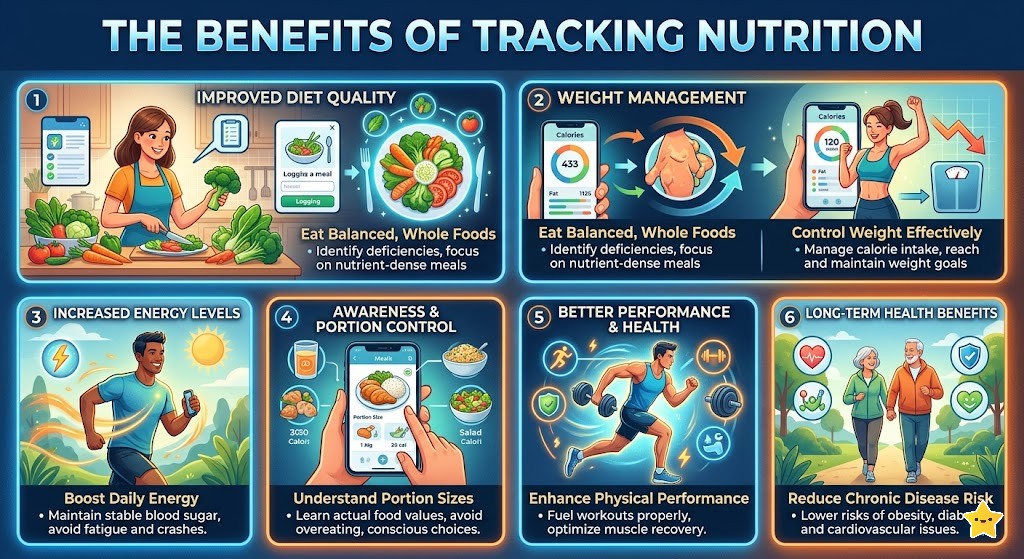
I realized I was eating more calories than I thought, not enough protein, and way too many random snacks. Some days I felt like I ate “light”, but the app showed 2,400+ calories. That was a surprise. not a good one.
That’s when I understood something simple nutrition tracking is not about being obsessive. It’s about seeing the truth.
I was guessing calories, and I was wrong
The biggest thing I learned was how easy it is to underestimate food.
A study from National Institutes of Health found many adults underreport calorie intake by 20% or more when relying on memory. That means if you think you ate 1,800 calories, you may actually be at 2,200. That’s huge.
And yeah that was me.
I thought my breakfast was “just coffee and toast.” But after tracking:
- Latte with syrup = 280 calories
- 2 bread slices + butter = 220
- random biscuit with tea = 140
Total? almost 650. I was not even full.
That’s why tracking matters. It shows what you don’t notice. The small things that mess up everything.
Drinks had more calories than I expected
I never used to count drinks. I only looked at food.
Big mistake.
One customized drink from Starbucks can go over 400 calories depending on milk, whipped cream, syrup and toppings. A lot of people don’t realize coffee can become basically dessert.
I started checking drinks before ordering and it changed my choices. I still drink coffee, but now I know.
Small swaps helped:
- less syrup
- almond milk sometimes
- smaller size
- no extra cream
Not trying to be perfect. just smarter.
Real case study: my own 30 days of tracking
I tracked everything for one month. Not because I’m some fitness person, just wanted to understand my habits.
First 7 days, I didn’t change anything. Just logged what I normally ate.
Here’s what happened:
- Average calories were 430 higher than I guessed
- Protein was low 22 out of 30 days
- Weekend eating was the worst
- Drinks added 18% of total calories
That last one shocked me.
A coffee here, cold drink there, evening chai… all together it became too much.
The weird part is, I still thought I was “healthy”. But numbers don’t lie, even if we do to ourselves.
Protein changed everything for me
Calories matter, but protein was actually the thing that made me feel different.
I always assumed I was eating enough because I had eggs and paneer sometimes. But when I checked, I was getting around 40g most days.
That’s low for many adults.
According to World Health Organization, adults generally need around 0.8 g protein per kg body weight minimum, and active people often need more.
I’m around 70 kg, so I should get at least 56g. I was below that many days.
Once I increased it:
- breakfast became more filling
- less random cravings
- better gym recovery
- less overeating at night
It sounds basic, but honestly it helped more than I expected.
Why tracking helps with weight loss
A lot of people say they want to lose weight. I said that too. But for long time, I was just “trying” without actually knowing anything.
Tracking made it clear.
If I wanted fat loss, I needed a calorie deficit. Not motivation. not green tea. not random YouTube tips.
A study published by Harvard T.H. Chan School of Public Health shows self-monitoring is strongly linked with better weight management because people make more intentional food decisions.
That’s exactly what happened to me.
I stopped eating out of boredom because logging it made me aware. You don’t want to type “2 samosa + cola + chips” at 11 pm. it feels embarrassing
Comparing foods changed my habits
Before tracking, I picked food based on what looked healthy.
But “looks healthy” means nothing.
Granola bars? sometimes loaded with sugar.
Smoothies? can be 300–500 calories.
Flavored yogurt? sugar bomb.
I started comparing labels and portions. That made food choices easier.
For example:
- regular cold coffee vs plain americano
- full-fat milk vs low-fat
- flavored oats vs plain oats
Not everything has to be low calorie. But once you compare, you choose with awareness.
That’s the real win.
I noticed patterns I never saw before
Tracking helped me see patterns, not just numbers.
I learned:
- I snack when stressed
- I eat more while watching cricket
- I drink sweet coffee when tired
- weekends ruin my progress every time
This was honestly more useful than calorie counting itself.
Because once I saw patterns, I could fix them.
Instead of saying “I have bad discipline,” I could see actual reasons.
That makes change easier.
Why it matters more in 2026
Food marketing is crazy now. Every product says “healthy,” “high protein,” “fit,” or “natural.” But label says something else.
According to Centers for Disease Control and Prevention, many people underestimate added sugars and portion sizes, especially from beverages.
That’s why tools, labels, and nutrition apps matter more now than before.
There’s too much hidden stuff.
Even something simple like ordering from Starbucks can vary a lot based on customizations. Same drink, totally different calories depending on toppings.
I didn’t realize that before. now I check first.
What changed for me
I don’t track every single day now. Sometimes I forget, sometimes I’m lazy. normal thing.
But because I did it consistently for a while, I understand my habits much better.
I know roughly:
- how much protein I need
- what foods keep me full
- which drinks are not worth it
- where extra calories come from
That awareness stays.
And once you know, it’s hard to go back to blindly eating.
Final thoughts
The benefits of tracking nutrition are not just about weight loss. It’s about understanding yourself.
I thought I was eating fine. I wasn’t terrible, but I was definitely not as balanced as I believed.
Tracking showed me things I never noticed:
- hidden calories
- low protein
- drink calories
- emotional eating
- portion mistakes
No need to track forever. But doing it even for 2–4 weeks can teach a lot.
For me, it changed how I eat, drink, and even order coffee.
And honestly, the weird part is I didn’t change food first. I just started paying attention. That alone changed almost everything.